A recent passion project of mine has been a fast paced first-person multiplayer shooter focusing heavily on over-the-top movement. I’ve got the privilege of working with two of the nicest people in the field, a gameplay-and-level designer; and a network programmer, and together we’ve been calling this “minion” following a pitching exercise at uni.
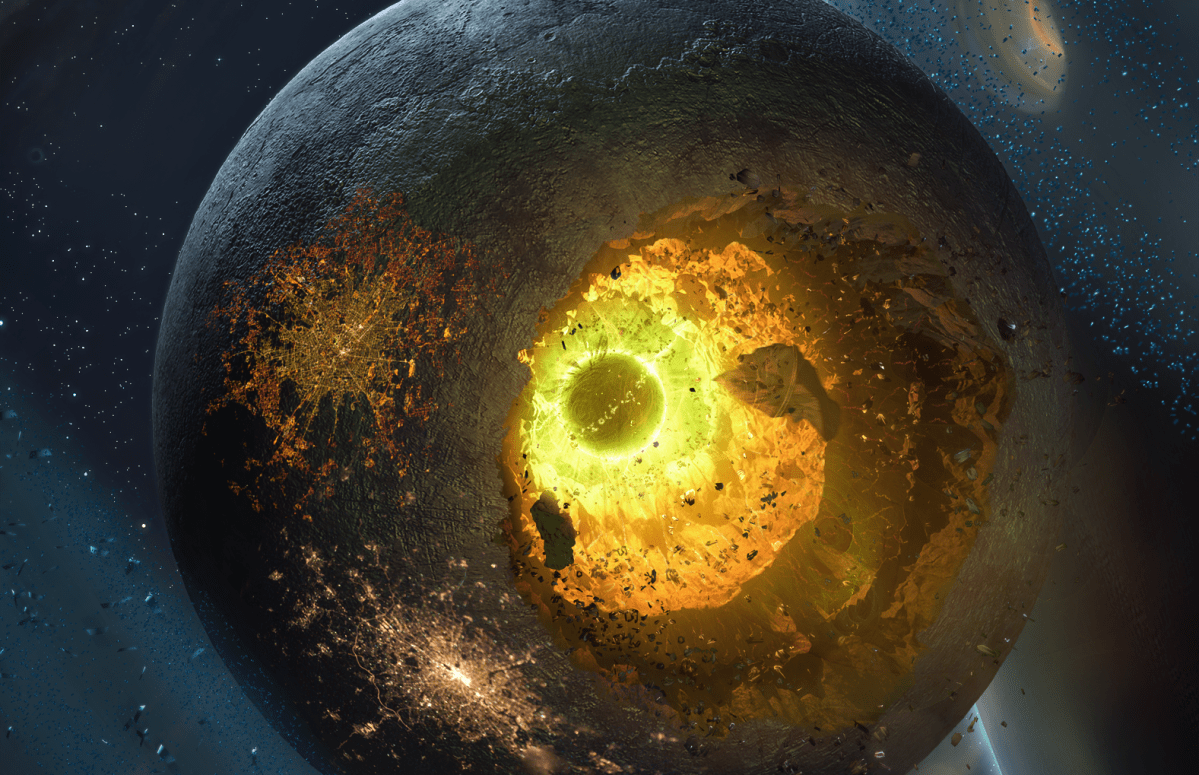
The game is set on an outlaw-run backwater planet called The Dent where a deadly game keeps the peace and settles disputes. You play as one of the fighters representing a major faction or just your own self-interest
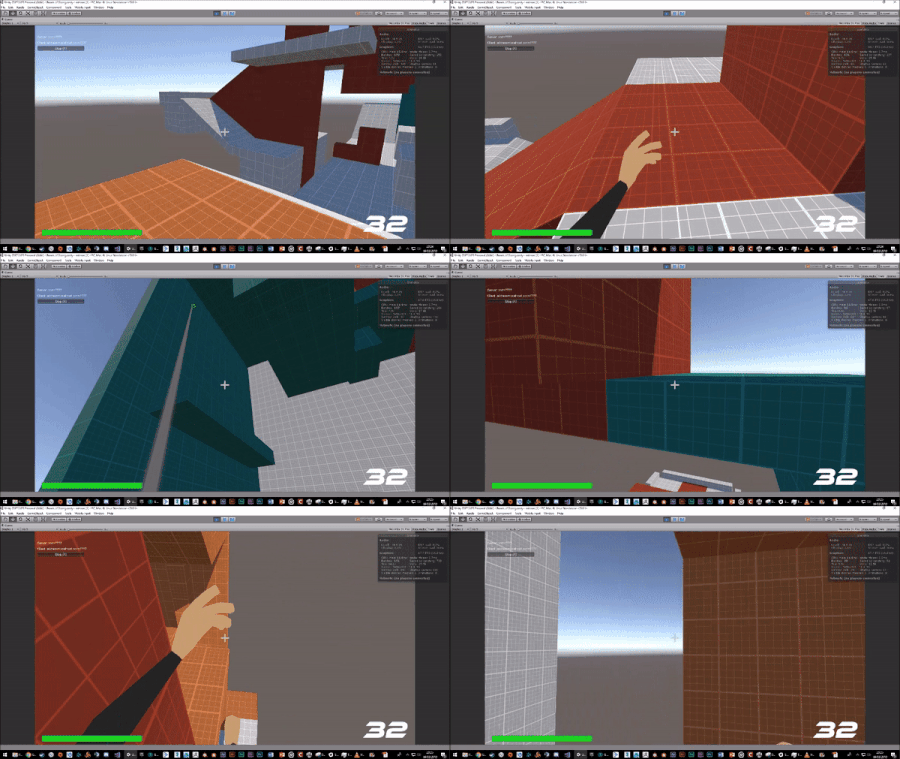
The first thing we decided to include was the grappling hook. We wanted this to be minion’s calling card and so it had to be perfect. Below you can see that we have it in a pretty satisfying place already.
The final push to get the alpha build of Audacity (The Avarice of Darién V) together was a great undertaking. We wanted it to be feature-complete and show all of it off in a tutorial-style vertical slice.
tl;dr link to the build at the bottom
Level Design
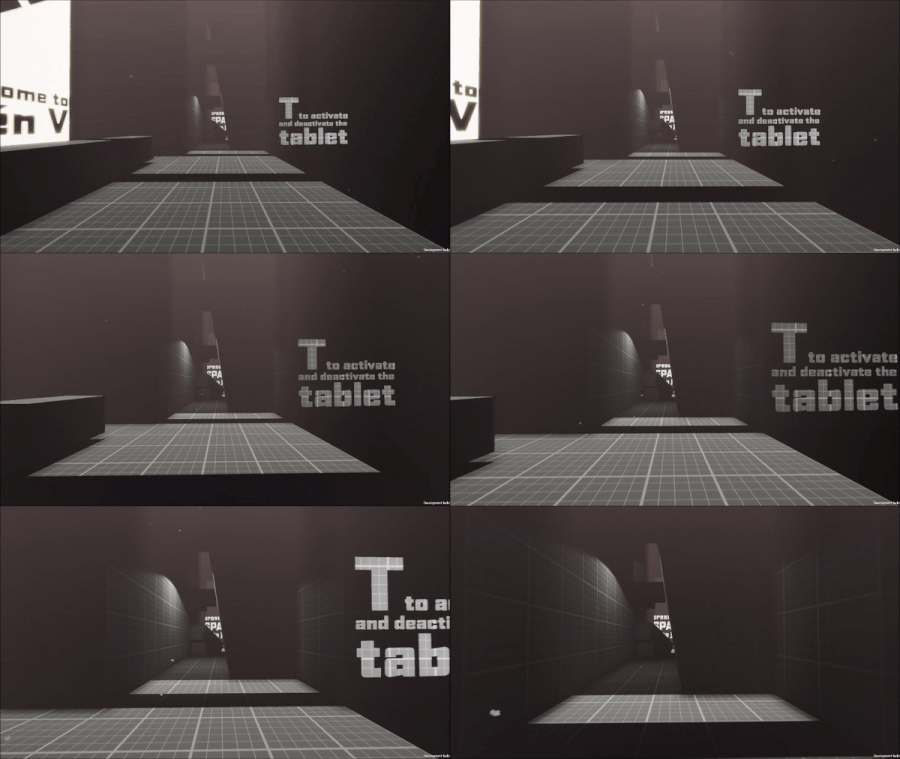
I whiteboxed the tutorial level trying to strictly adhere to my three tutorial principles, teach, test, reinforce. Tell the player how the mechanic work, make them use the mechanic in a safe space, then test them again, this time with some stakes. I first wanted it to play well before making it a plausible space, so we currently have one of our 3D wizards currently making it look more real and polished (but polish is not for alpha!!).
I also added basic lighting to guide the player and used lights with cookies to show the tutorial instructions. We want to entirely avoid screen space UI and so used these projectors as a diegetic alternative.
Audio
Our composer provided the backing for the tutorial level and I implemented it in Wwise. I then wrote the dialogue, recorded three of my friends (for hours) and also implemented it in Wwise.
Code
I performed around 90% of the code tasks for the alpha. This includes a bespoke movement system, game manager with seamless loading between game spaces using the in-game tram (Tramsition ™), and logic to drive the tutorial.
Tramsition™ in all its glory
The next level is loaded while in the tram tunnel, then once this process is complete, the tram and the player are placed in an identical tunnel in the new scene. The above gif is truncated for size but it is in fact completely seamless.
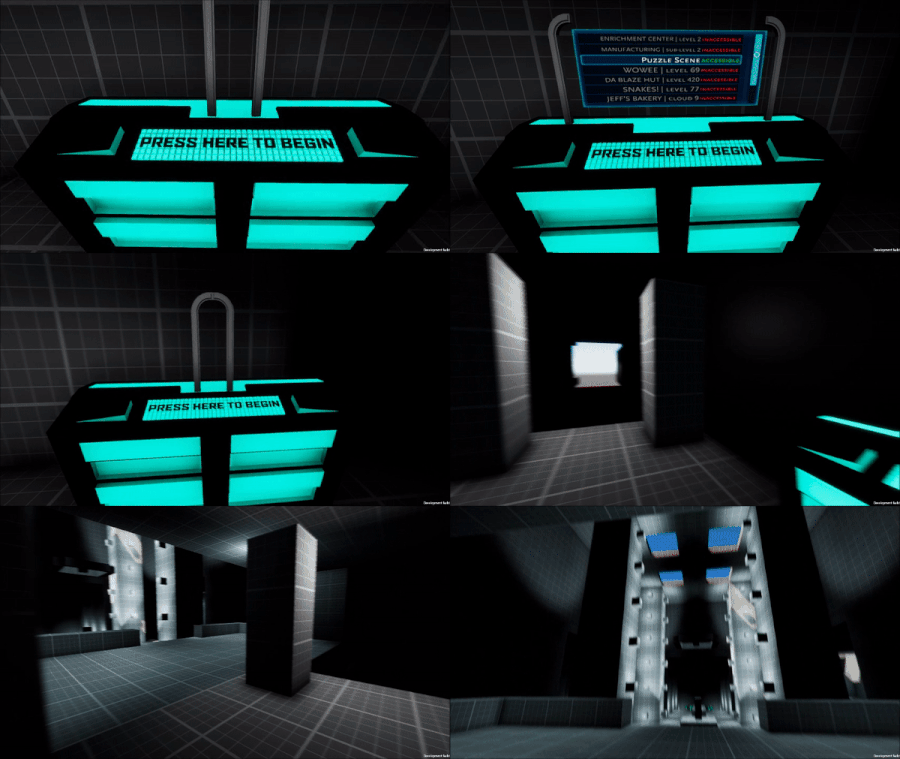
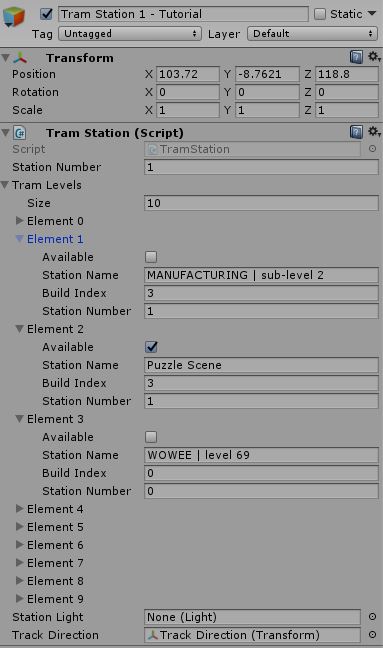
Each Unity scene has a “Tram Station” game object within which I’ve made it simple for the designers to set up the above list. The object holds an array, or group, of objects (“Tram Levels”) each one representing another station inside another scene which the PC may travel to. I’ve included the “Available” check so that stations can be made accessible or inaccessible later on in the plot. The “Station Number” variable is to allow multiple stations in larger scenes which I thought could afford the player more freedom to choose their paths through the world. Below you can see all the array elements from the gif above with element 2 being the available “Puzzle Scene”.
Art
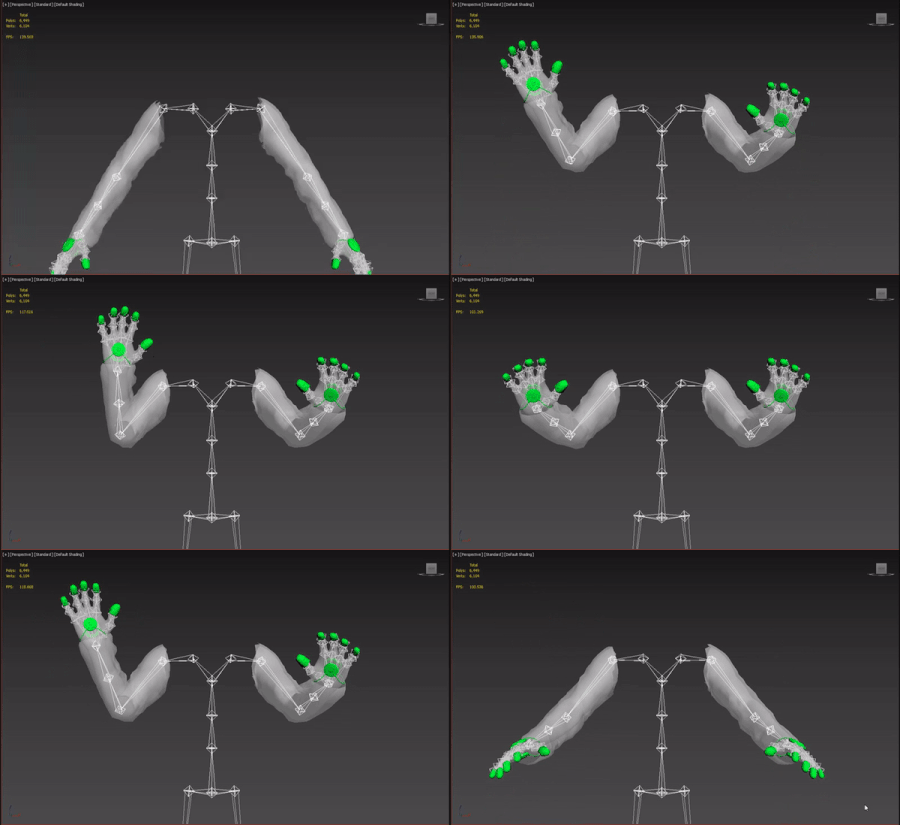
The alpha is intentionally art-light. Our art lead is currently in the process of rigging and animating hands for our protagonist, which we consider to be vital for selling the climbing mechanic.
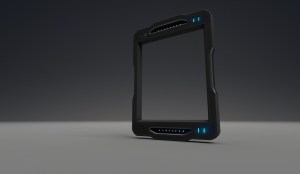
The tram computer was modelled by our producer, an industrial fan and a tablet were also modelled by the art lead (and textured by me). More or less everything else is comprised of cubes and a test-grid texture with the plan being for the entire team to make a big 3D push for beta in two months.
The clouds overhead and the volumetric lighting (god rays) are Unity Asset store assets, a service we try to use sparingly in part due to the stigma of asset-flips on steam.
.exe
Click the image below to download the zip file containing the .exe to run the alpha build. It has a few bugs, yes and you may break the game entirely if you take the tram the wrong way but I think it nicely highlights the direction we want to take the game and I’m immensely proud of it 🙂
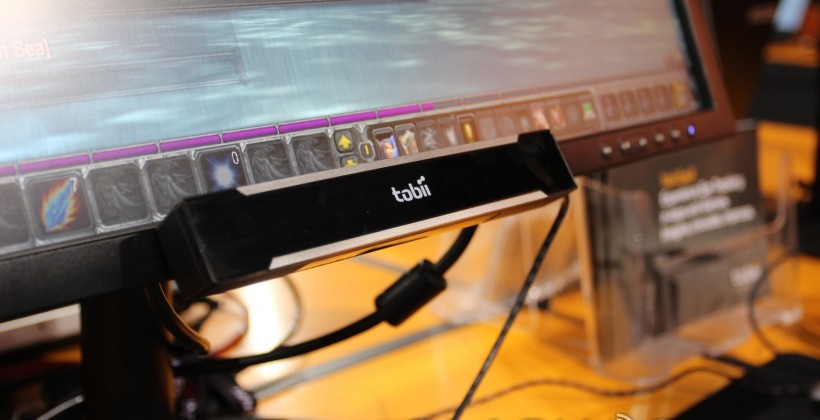
In order to complete my dissertation (finding out whether eye-tracking technology can be seamlessly integrated into an FPS to improve player engagement) I had to build a little game project.
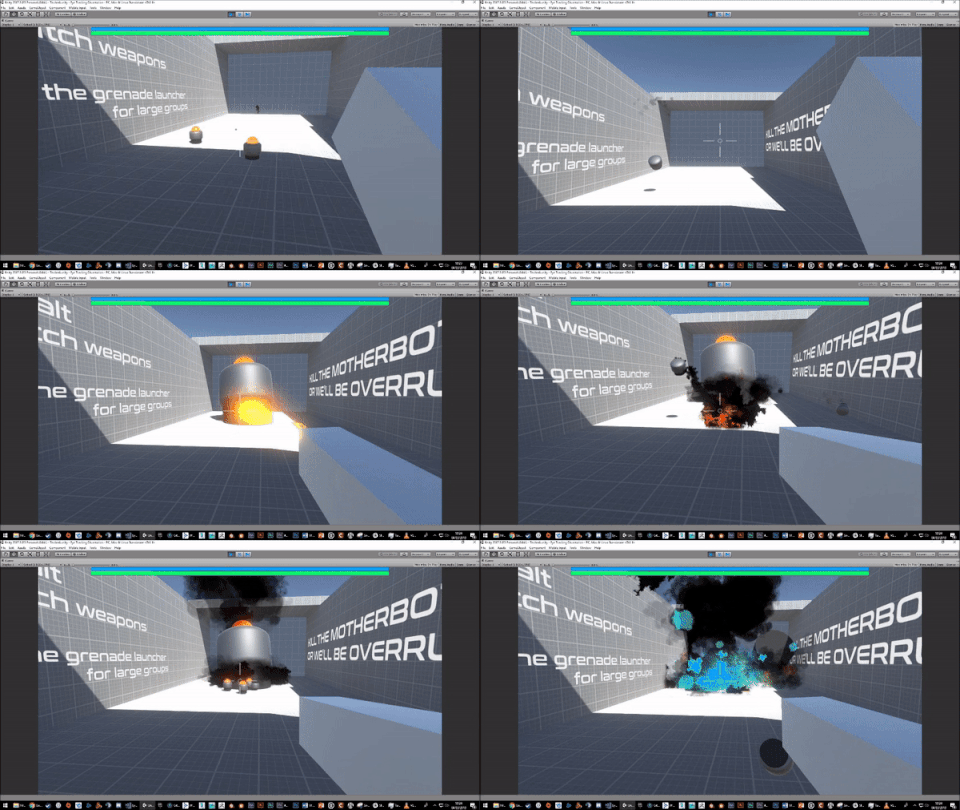
Below you can see the early stages of a checkpoint system (waves of enemies), the weapon switching menu, and some superfluous, but very fun, screen shake.
The weapon switching is the focus of the artefact and the next step is to integrate the menu with the Tobii Unity SDK. Our eyes didn’t evolve as input devices so I specifically chose not to use eye-tracking for mechanically demanding tasks like movement or aiming, instead opting for ancillary functions like weapon or ability switching.
Audacity (The Avarice of Darién V) is a first-person, story-driven platformer set in the mysterious aftermath of a great catastrophe in New Mexico. The player is tasked with guiding protagonist, Franklin, around the deserted, ruined, and now inexplicably icy research station, Darién V, in an effort to find voice logs scattered throughout. These logs detail the final days of the researchers and will perhaps give Franklin a chance to find answers to the many questions posed by their mother’s death.
Franklin has several means of traversing the levels, most important being their gloves which adhere to almost any surface. Climbing aided by the gloves (and later ice-picks) and ice-sliding, combined with the more traditional platforming mechanics of running and jumping (and later rocket-jumping) will give players many different paths around every game space. Players will be rewarded for exploration and the use of this kit through voice logs and environmental story telling that will give additional flavour, context and colour to the setting surrounding the main plot.
Sci-fi elements are woven into greater themes of climate change, loss, abandonment, and ambition in an unravelling story that gradually reveals darker, more arcane forces at work.


 Franklin has several means of traversing the levels, most important being their gloves which adhere to almost any surface. Climbing aided by the gloves (and later ice-picks) and ice-sliding, combined with the more traditional platforming mechanics of running and jumping (and later rocket-jumping) will give players many different paths around every game space. Players will be rewarded for exploration and the use of this kit through voice logs and environmental story telling that will give additional flavour, context and colour to the setting surrounding the main plot.
 johannes